Communicating to your customers with effective personalised messaging
Right message, right person, right time. That’s the key to maximising the effectiveness of your campaigns and comms. One size fits all marketing can only ever give you average results at best.
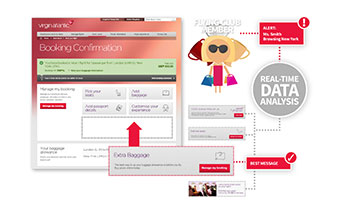
Use the data you have about each individual customer – name, demographic, transaction history, past and present value, preferences – to personalise not just the message, but the time, the content and the offer to ensure that you’re delivering true 1-2-1 comms.
Personalisation and Dynamic content
Personalisation is a core driver of marketing performance. Customers expect brands to recognise them, understand their intent, and remove friction from every interaction. The most effective way to deliver that level of relevance is through personalisation and using dynamic content: content that updates instantly based on what you know about the customer.
Dynamic content turns personalisation from a static idea into something genuinely useful. Instead of pushing the same message to everyone, brands can use flexible templates that adapt automatically across websites, emails, apps and even call centres. This makes it possible to respond to real behaviour in real time, all without producing endless creative variants or relying on manual segmentation.
Personalisation is driven by the quality of your data
Strong personalisation relies on clean, connected data. Brands don’t need every conceivable data point—what they need is accurate information about what customers are doing, buying and engaging with right now. When browsing behaviour, purchase history, engagement patterns and lifecycle indicators sit in one place, you can start building rules for delivering personalised content.
Decisioning logic then dictates what each person sees. Browsing customers can be shown persuasive messaging and relevant products. Customers at risk of lapsing can receive retention-focused content. As the programme matures, predictive models can refine these decisions even further, helping brands anticipate behaviour before it happens.
Who to best use personalisation?
The most successful personalisation programmes start with the easy wins. Dynamic homepage content, smarter abandonment journeys and adaptable email templates deliver quick wins and build confidence. These foundations can then expand into more sophisticated use cases, guided by ongoing testing and optimisation.
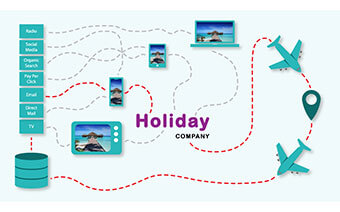
Consistency across channels is essential. If an email focuses on a particular product, the website should reflect that when the customer clicks through. If the website adapts to browsing behaviour, the contact centre should see the same context when the customer calls. Dynamic content and real-time data now make that continuity achievable.
Why personalisation matters
With expectations rising and attention spans shrinking, generic content no longer cuts through. Dynamic content gives brands a clear commercial edge: higher engagement, better conversion, stronger loyalty and more efficient marketing spend.
At R-cubed, we see personalisation as the key to delivering CRM excellence. Get the data right, apply the right decisioning and deliver it through dynamic templates and real-time insight. When every touchpoint reflects what the customer needs in the moment, performance improvement quickly follows.
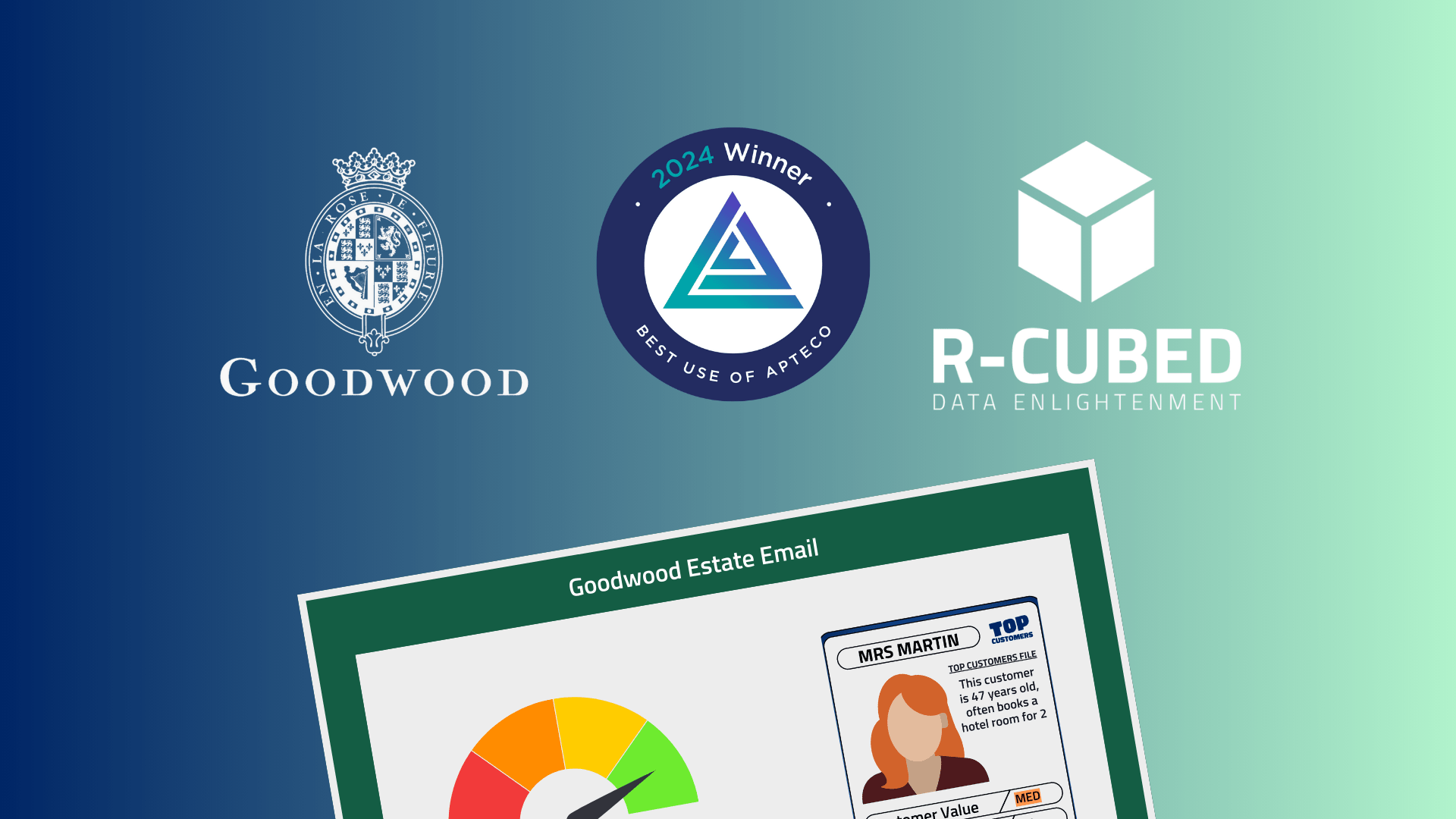
No two days are the same with nearly 30 different businesses and charities under the Goodwood umbrella. And no two communications are the same with Goodwood’s Estate email, tailored for each individual based on their interests.
The challenge is that there is one shared customer that all the different business areas want to communicate with. This led to over-mailing and high unsubscribed as each business would send their own email, whether that individual had an interest in that area or not. Read how we helped develop the Goodwood Estate Email and the impact on their customers here.
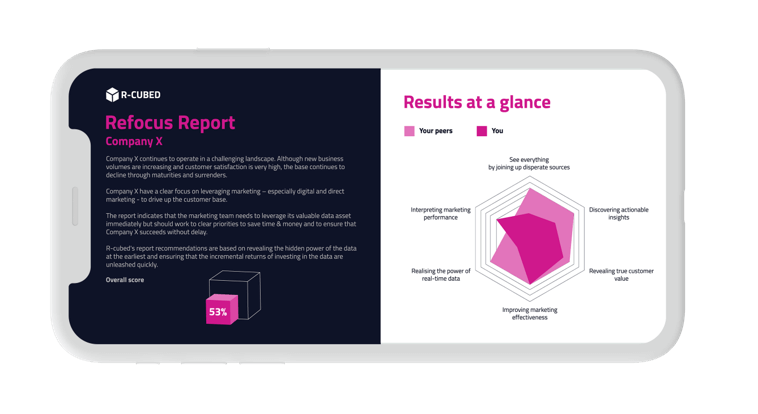
Compare your data capabilities with Refocus
How do you score against your competitors? What areas are you lacking in? How can you learn from other industries?
The benchmarking process is free, fast and painless.
We’ll meet with you – by phone, video or in person, whatever suits you – and ask you a few questions to explore your current data capabilities. We won’t ask you for any data and anything you tell us is completely confidential.
Within a few days, we’ll provide you with your personalised Refocus report, benchmarking you against your peers, showing where you’re strong and highlighting the areas where you could improve.