Identifying and acting on real time triggers
If you want to deliver marketing that feels relevant, timely and helpful, triggers are where it all starts.
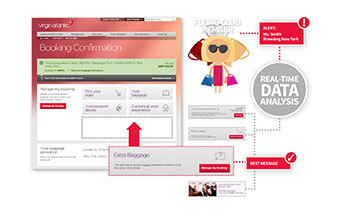
A trigger is any signal that tells you something meaningful about a customer right now — what they’re doing, what they need, or what they’re likely to do next. When you spot those signals and have real-time technology, you can decide the next best action to send right now, not weeks later when the moment has passed.
In this post, we’ll show you how to identify the right triggers, understand what they really mean, and use them to drive automated, real-time marketing across email, web, mobile and assisted channels.
What are real time customer triggers (and why do they matter)?
Triggers are events, behaviours or changes in context that indicate an opportunity to act.
Some are obvious: a purchase, a complaint, an abandoned basket. Others are more subtle – a sudden spike in browsing, a change in product interests, or a customer going quiet after months of activity.
What makes triggers powerful is timing. When you respond while the intent is fresh, your marketing stops feeling like marketing and starts feeling like service.
Handled well, triggers allow you to:
- Increase conversion
- Improve customer experience and satisfaction
- Reduce attrition
- Automate decision-making
- Reduce campaign workloads
Spotting the triggers that actually matter
Not every event is worth acting on. The key is to focus on triggers that signal intent, risk or opportunity.
Here are some of the most valuable trigger categories – and what to look for within each.
Lifecycle real time triggers (where the customer is)
Lifecycle events tell you when to change the conversation.
These include events such as –
- New customer onboarding
- First purchase
- Repeat purchase
- Policy or membership renewal approaching
- Prolonged inactivity
A new customer might not be ready for upsell – they need reassurance and guidance. So hold off on the ‘why not buy this as well?” emails and send them comms to establish your reputation with them.
On the other hand, a long-standing customer nearing renewal, or showing inactivity, might need proof of value or a loyalty reward.
Practical action tips
- Trigger a welcome email series immediately after sign-up
- Personalise the website with “getting started” content for first-time customers
- Trigger a proactive renewal call if usage drops close to contract end
Behavioural triggers (what they’re doing right now)
Behavioural data is often the richest source of real-time insight, as it signals intent before an action is taken. If you can respond to these signals as they happen, then you can have a huge impact on the customer’s next step. Look for behaviour such as –
- Browsing specific product categories
- Repeatedly viewing the same product
- Adding to a basket but not checking out
- Browsing cancellation terms
- Comparing pricing or plans
Privacy and communication preferences are critical considerations for consumers. If marketers want customers to share their data, they must tailor their approach to privacy just as they do to the overall customer experience. Learn more in this article.
Practical action tips
- Personalise your website to reflect the categories they’ve been browsing
- Trigger an email with product specific information or offers
- Provide reassurance and value-based emails to prevent attrition
- Offer live chat or a callback when high-value pages are visited multiple times
All of this can happen automatically, in real time, while the customer is still engaged and open to persuasion.
Transactional real time triggers (what they’ve bought)
Purchases are powerful signals – but only if you go beyond “thank you for your order”. Think about what they’re buying, what that might mean and what they might be looking to buy next. The type of triggers that can be most valuable might include –
- First-time purchase
- High-value purchase
- Change in purchase frequency or value
- Product replenishment timelines
A first purchase is about confidence building. A repeat purchase might signal readiness for cross-sell. A sudden drop in spend could be an early warning sign.
Practical action
- Send a triggered post-purchase email with usage tips, not promotions
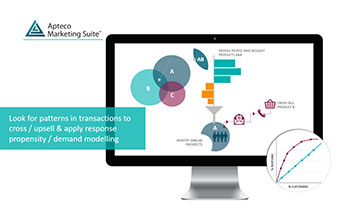
- Recommend complementary products based on what was actually bought
- Trigger replenishment reminders exactly when the customer is likely to need them
- Send relevant cross-sell or upsell promotions
Deal with abandoned journeys in real time (what didn’t happen)
Some of the most valuable triggers are moments of hesitation. The customer was interested — but something got in the way. Don’t just leave it there. Take action if you see triggers like –
- Abandoned baskets
- Incomplete applications or quotes
- Dropped onboarding journeys
Practical action
- Send an abandoned basket email within minutes – not days
- Personalise the website when the customer returns to make it easy to complete the purchase
- Trigger a call from a sales or service team for high-value abandonments or complex purchases, such as insurance
The goal isn’t to nag – it’s to remove friction at exactly the right moment.
Service and complaint real time triggers (moments that matter most)
Service interactions are often overlooked as marketing triggers – and that’s a mistake, because every customer interaction can influence their future purchases. But these are moments to help, not to sell. Look out for these triggers –
- Complaint raised by the customer
- Poor satisfaction score or feedback
- Repeated customer service contacts
- Issue resolved
Practical action
- Suppress promotional messaging while an issue is open
- Trigger a follow-up email once a complaint is resolved, checking satisfaction
- Offer a goodwill gesture automatically for high-impact issues
Handled well, these triggers can turn negative experiences into loyalty-building moments.
Personal and contextual triggers in real time (who they are)
Sometimes relevance comes from recognition. Everyone likes to be seen and to be acknowledged, so don’t ignore your customers. Take what you know about your customers and use that data appropriately to reinforce the relationship.
Examples
- Birthday or anniversary
- Change of address
- Time of day they interact with you and on what device
- Weather or local events (for example, for insurance policies)
Practical action
- Send a birthday offer that reflects past behaviour, not a generic discount
- Adjust messaging based on whether a customer is on mobile or desktop
- Change website content based on location or local conditions
Small signals, used thoughtfully, can make interactions feel human rather than automated. But don’t overdo it, or it can cross the line into creepy.
Automating real-time triggered marketing
The good news? All of this can be automated, with the right technology.
Modern customer decisioning platforms allow you to:
- Capture triggers from multiple data sources
- Interpret them using rules or models
- Decide the next best action instantly
- Deliver it across email, web, mobile, call centres or paid media
Once set up, these interactions run continuously, responding to customers as individuals, in real time, without manual intervention. You remain in control of the customer experience, but with the ability to deliver at scale.
If you’re not yet ready to automate, that’s ok. Work on identifying the triggers that make a difference to your business and put manual campaigns in place. As you start to demonstrate the returns you can achieve, you can build your business case to put the martech in place that you need.
Want to know more? We’re always happy to talk, any time.